Photocopier Leasing for Small Businesses: What You Actually Need
In brief: The Photocopier Shop explains how a small office can work out which photocopier it genuinely needs, rather than a machine built for a department three times its size.
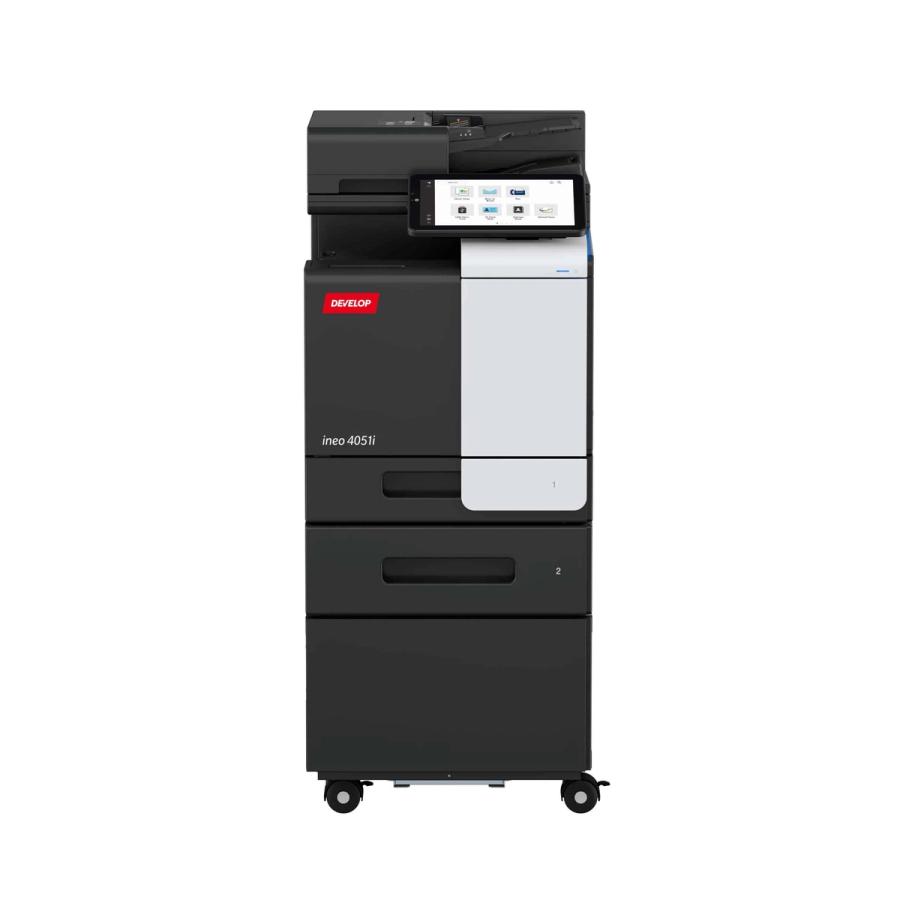
The most common mistake small businesses make with photocopiers is not overpaying for the machine. It is leasing a machine far bigger than they will ever need, on a term far longer than they can predict.
Start with your volume, not the brochure
Before looking at any machine, find two numbers: how many black and white pages you print a month, and how many colour. Your current machine's meter will tell you both.
Most small offices are surprised by how low the figures are. A ten-person business doing ordinary administration often runs 1,000–3,000 pages a month. That does not need a floor-standing machine rated for 30,000.
Size against the recommended monthly volume, not the duty cycle — the duty cycle is a maximum, not a target.
Desktop or floor-standing?
A desktop machine suits offices under roughly 5,000 pages a month that mainly print A4. They are cheaper to lease, take up less room, and do everything a small office normally needs.
A floor-standing machine earns its place when you need higher volumes, multiple paper trays, A3, or finishing like stapling and hole-punching.
If you are being quoted a floor-standing machine for a five-person office, ask why.
Do you need colour?
Colour machines lease for more and cost several times as much per page. That is worth it if you produce customer-facing material in-house. It is not worth it if your colour output is the occasional chart in an internal report.
A practical middle ground: lease a mono machine for the bulk of the work and keep a small colour device for the occasional job. Or lease a colour machine but set the driver default to mono and use print rules so colour is a deliberate choice rather than an accident.
Term length and growing businesses
A five-year lease is a long commitment for a business that might double or halve in size. If you genuinely cannot predict where you will be in three years, either:
- Take a shorter term and accept a higher monthly payment, or
- Consider rental if the need is genuinely temporary, or
- Check what the upgrade clause allows before signing, so you know your options if you outgrow the machine.
What matters more than the machine
For a small business without IT staff, the service agreement matters more than the specification. If the copier stops on the morning you are sending invoices, what you need is someone who answers the phone and turns up.
Ask about response times, whether the commitment is to attend or to fix, and where the nearest engineer is actually based. A local supplier with engineers in your area is worth more than a marginally cheaper quote from two hundred miles away.
A sensible shortlist
For most small offices, the specification worth asking for is:
- 25–35 pages per minute
- Multifunction — print, copy, scan
- Automatic document feeder with duplex
- Scan to email and scan to folder
- Two paper trays plus a bypass tray
- An inclusive service agreement covering toner, parts and labour
That covers what the overwhelming majority of small businesses actually do, without paying for capacity that sits idle.
Frequently asked questions
What size photocopier does a small business need?
Most small offices are well served by a 25–35 page per minute multifunction machine with an automatic document feeder and two paper trays. Size against your actual monthly page count rather than the machine's maximum duty cycle — a typical ten-person office runs between 1,000 and 3,000 pages a month.
Can a small business lease a photocopier with bad credit?
It depends on the finance provider. Newer companies or those with limited credit history may be asked for a personal guarantee from a director, a larger initial payment, or a shorter term. Short-term rental is an alternative that usually involves lighter credit checks.
Is leasing worth it for a very small office?
If you print more than a few hundred pages a month, usually yes — mainly because the inclusive service agreement covers toner and repairs that would otherwise be unpredictable costs. Below that, a straightforward desktop printer bought outright may be more sensible.