How Much Does It Cost to Lease a Photocopier?
In brief: The Photocopier Shop explains that photocopier leasing is usually quoted as a monthly hardware payment plus a charge per page, what drives the number up or down, and the questions that stop you overpaying.
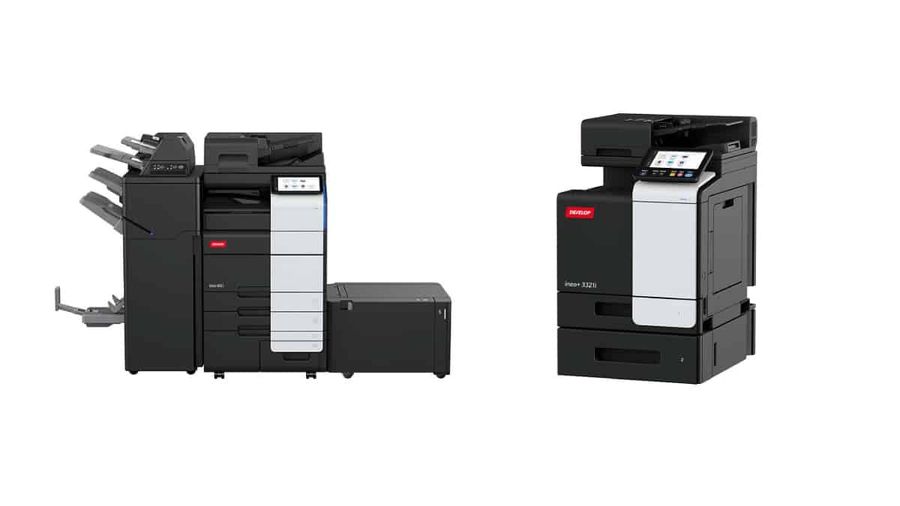
Ask three suppliers what a photocopier costs to lease and you will get three answers that are hard to compare. That is not usually deliberate — it is because the price has two moving parts, and different suppliers put the emphasis in different places.
The two halves of a photocopier lease
Almost every lease quote breaks down into:
- The hardware payment — a fixed monthly amount covering the machine itself, spread over the term.
- The service charge — a click charge per printed page, covering toner, parts, servicing and engineer call-outs.
A supplier can make the headline monthly figure look low by pushing cost into the click charge, or the reverse. Neither is dishonest, but it means the monthly payment alone tells you very little.
What actually drives the price
Speed and volume. A machine rated at 20 pages per minute costs considerably less than one rated at 65. Size the machine to your real monthly volume, not to the busiest week you have ever had.
Colour or mono. Colour machines cost more to lease and substantially more per page. If 90% of your printing is internal paperwork, a mono machine with a small colour device alongside is often cheaper than one colour machine doing everything.
Term length. Spreading the same machine over 60 months rather than 36 lowers the monthly payment but usually increases what you pay in total. Longer terms also mean longer before you can upgrade.
Finishing options. Stapling, hole-punching and booklet making add hardware cost. Genuinely useful if you produce document sets; dead weight if you do not.
Condition. A reconditioned machine can do the same job for noticeably less than new, particularly for straightforward mono printing.
Comparing two quotes properly
The only fair comparison is the total monthly cost at your actual volume. Work it out like this:
Hardware payment + (monthly mono pages × mono click rate) + (monthly colour pages × colour click rate)
Run that calculation for every quote using the same volume figures and the differences become obvious. A quote that looked £15 a month cheaper on hardware can easily be more expensive once 4,000 pages a month go through it.
If you do not know your current volumes, the meter on your existing machine will tell you. Any supplier worth dealing with will help you read it.
Questions to ask before signing
- Is the click charge fixed for the full term, or can it rise annually — and if so, capped at what?
- Is there a minimum volume I pay for whether I print it or not?
- Does an A3 page count as one click or two?
- What is the settlement figure if I need to end this early?
- What happens at the end of the term if I do nothing?
That last one catches more businesses than any other. Many agreements roll on automatically at the same rate once the term ends, so a machine you have finished paying for keeps costing you the same every month.
Working out your own numbers
If you would rather see a figure than read about one, our price calculator will size a machine against your monthly volume and show an indicative monthly cost in a few seconds — no details required until you want a formal quote.
Frequently asked questions
Is it cheaper to lease or buy a photocopier?
Buying costs less in total over a long enough period, but ties up capital and leaves you carrying servicing and repair costs yourself. Leasing spreads the cost, bundles maintenance and toner into a predictable monthly figure, and makes upgrading straightforward. For most businesses the deciding factor is cash flow and how much administration they want to take on rather than the headline total.
What is a typical photocopier lease term?
Three to five years is standard, with 36, 48 and 60 month agreements the most common. Shorter terms mean higher monthly payments but more flexibility to upgrade; longer terms lower the monthly figure but usually cost more overall.
Does photocopier leasing include toner and servicing?
Usually, but through the click charge rather than the hardware payment. On an inclusive agreement the per-page rate covers toner, parts, labour and engineer call-outs. Always confirm what is included in writing, as some agreements exclude staples, paper or specific parts.
Can I end a photocopier lease early?
Generally only by paying a settlement figure covering the remaining payments, unless the agreement contains a break clause. If you are switching supplier, some suppliers will settle the outstanding balance of your existing agreement and fold it into the new one — check how much is being carried over before you agree.